

Small, consistent observations can make a meaningful difference to your horse’s care.
A wellness routine does not need to be complicated. The goal is to know what is normal for your horse, notice changes early, and keep useful information ready for your veterinary team.
Regular examinations are one part of that picture. Daily observation, thoughtful record keeping, and a plan for preventive care help turn small details into useful context over time.
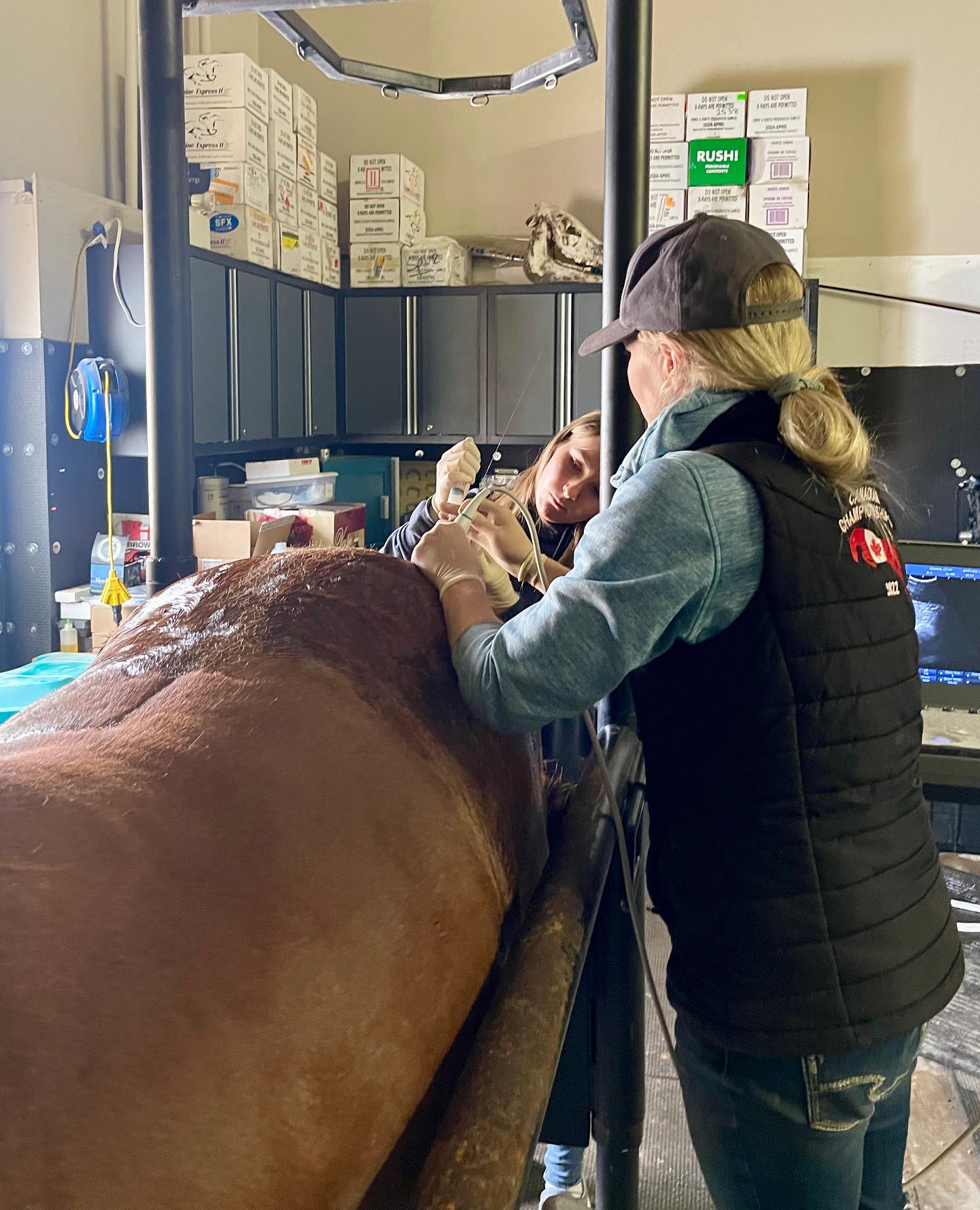
01 · The routine
Notice the details that repeat.
A few minutes of attentive observation can help you spot a change before it becomes difficult to describe.
- Check appetite, water intake, energy, movement, and manure as part of your usual daily rhythm.
- Look over your horse’s coat, eyes, legs, and feet for changes in comfort, swelling, heat, or discharge.
- Keep notes about changes in weight, workload, behaviour, or routine rather than relying on memory alone.
- Review preventive care timing with your veterinarian based on your horse’s age, use, environment, and history.
02 · Prepare to share
Bring the story with you.
Before an appointment, gather current medications, vaccination and dental records, recent diet changes, and any photos or videos that show the concern.
Include when you first noticed the change and whether it is improving, stable, or worsening. This kind of timeline gives the examination a stronger starting point.
- Recent changes to feed, turnout, travel, or workload.
- The horse’s normal routine and what seems different now.
- Questions you want to make sure are covered during the visit.
03 · The next step
Every horse is different. Your veterinarian can help interpret changes in context and decide what care is appropriate.