

The first days with a foal are full of small observations that help you understand how they are settling in.
A new foal changes quickly, and a calm, consistent routine makes it easier to notice what is normal for that individual. Observe the foal alongside the mare, paying attention to nursing, movement, alertness, and manure rather than relying on one check alone.
Your veterinarian can help you plan an early examination and advise on care for the mare and foal. If something seems wrong or your instincts tell you that the foal is not thriving, call promptly; early guidance matters.
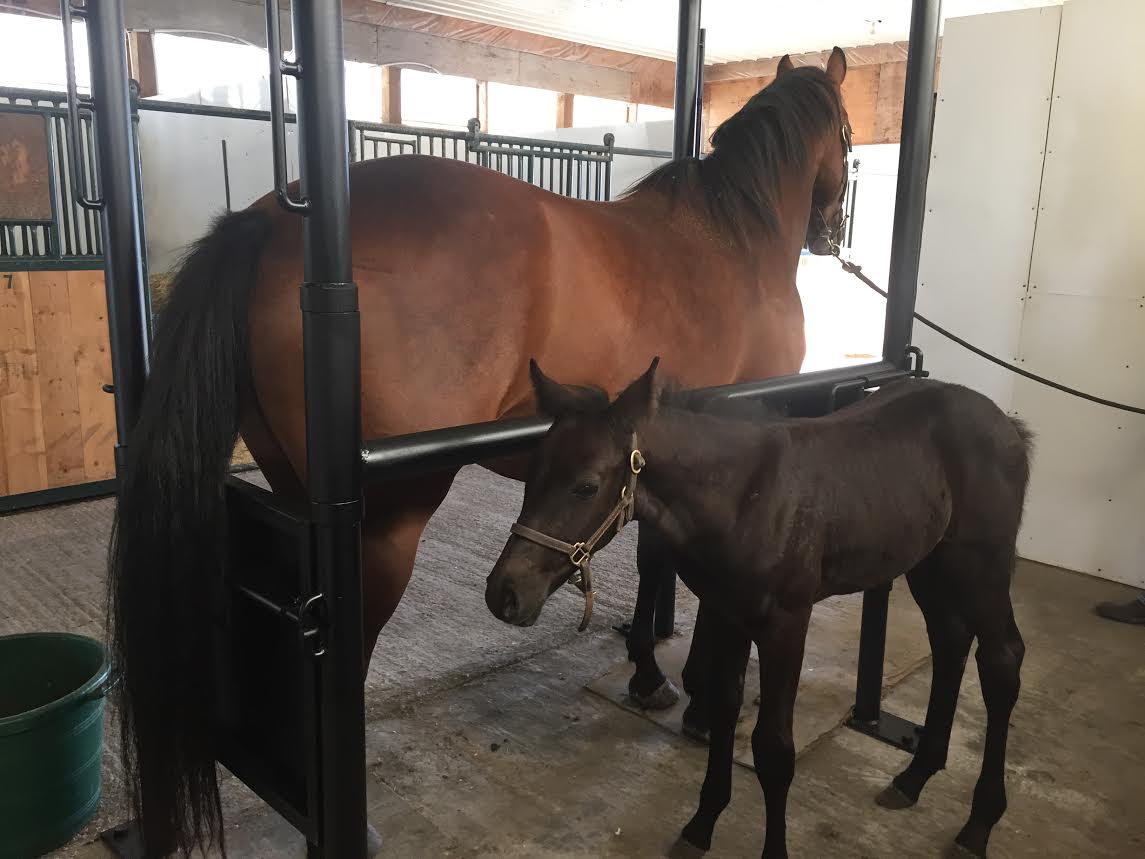
01 · Early observations
Watch the basics add up.
A healthy start is built from several simple signs. Notice how the foal behaves between rest, nursing, and movement.
- The foal is bright and responsive, gets up regularly, and moves with improving coordination.
- The foal nurses often and appears to settle between feeds; watch for a mare that is comfortable allowing nursing.
- Urination and manure are occurring, and the foal’s mouth, nose, and eyes appear clean without concerning discharge.
- The foal’s breathing is quiet and comfortable, without persistent effort, coughing, or unusual noise.
- The foal and mare are warm, dry, and safe, with enough room to rest and move without hazards.
02 · When to call
Trust a change in the pattern.
Contact your veterinarian promptly if the foal is dull, weak, struggling to breathe, not nursing, repeatedly lying down, unable to stand or move normally, or separated from the mare. A foal that seems to be getting worse needs timely advice.
Keep the mare and foal in a quiet, safe area while you call, and note when you first saw the change. Do not give medication or attempt treatments unless your veterinarian directs you to do so.
- How often the foal is nursing and whether the mare is allowing it comfortably.
- The foal’s alertness, movement, breathing, temperature if you have been advised to check it, and manure.
- Any discharge, swelling, injury, weakness, difficulty standing, or change in the mare’s behaviour.
- The time of birth, any assistance during delivery, and the foal’s early care or veterinary history.
03 · The next step
Every horse is different. Your veterinarian can help interpret changes in context and decide what care is appropriate.