

A little preparation can give your veterinarian more useful information and help your horse feel at ease.
A veterinary examination is a conversation between your observations and what your veterinarian can assess in person. Before the visit, take a few minutes to gather the details that make your horse’s recent history easier to understand.
The best setup depends on the reason for the appointment, your horse’s temperament, and the facilities available where you keep them. Aim for a safe, familiar space and share any handling or health concerns before the examination begins.
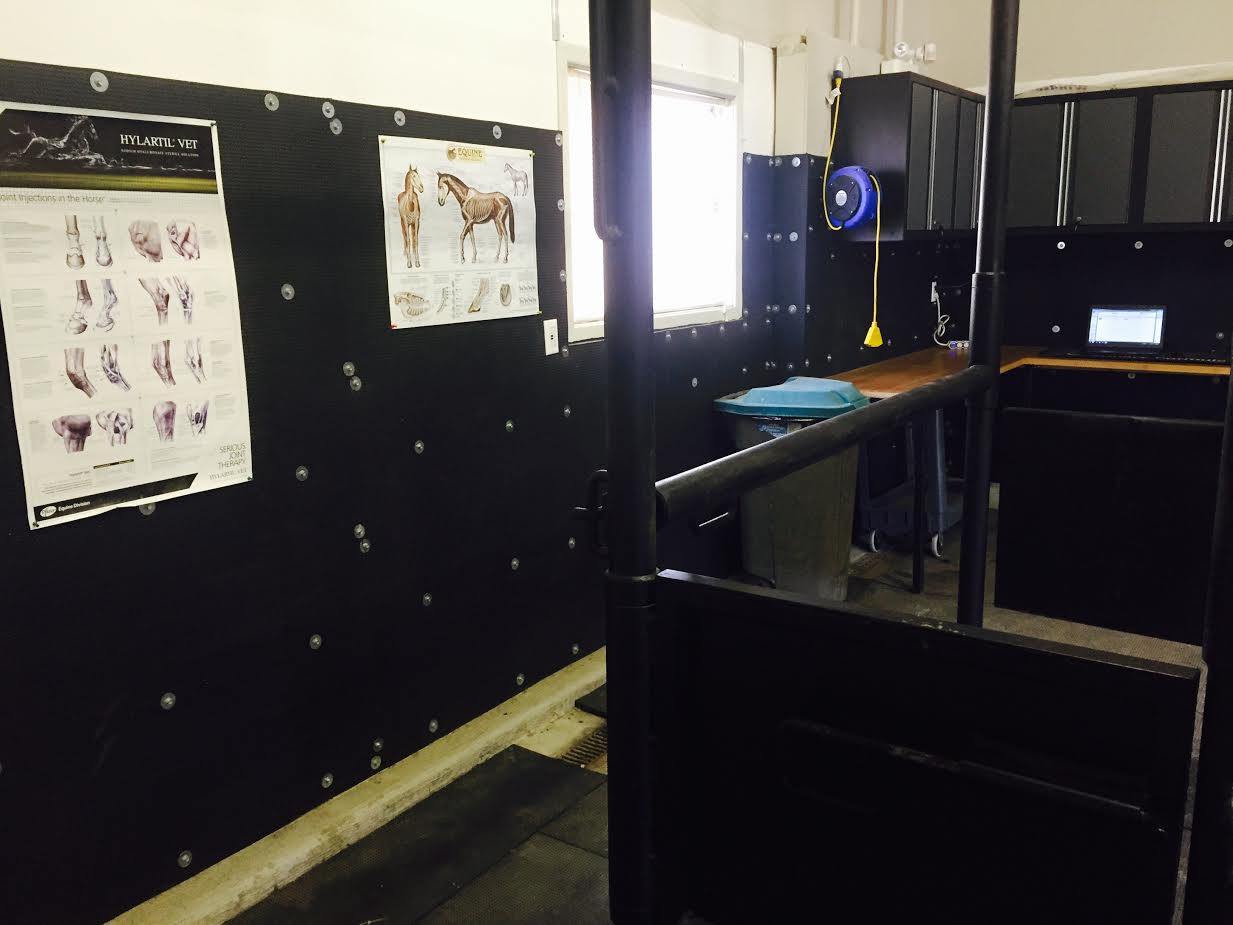
01 · Before the visit
Gather the details that matter.
Small notes made before the appointment can help your veterinary team understand what has changed and what your horse needs.
- Write down when you first noticed the concern, what you observed, and whether it is improving, stable, or worsening.
- Gather current medications, supplements, vaccination and dental records, and any recent changes to feed, turnout, travel, or workload.
- Take photos or short videos when they show a change that may not be present when the veterinarian arrives.
- Make sure your horse is somewhere safe and easy to access, with enough room for the examination and good natural or portable light.
02 · When we arrive
Help the appointment stay calm.
Allow extra time for introductions and settling in, especially for a first visit or a horse that is nervous in new situations. Tell the veterinary team about your horse’s usual behaviour, previous reactions, and any safety considerations before handling begins.
If possible, have a knowledgeable handler available and keep other horses, dogs, and unnecessary activity to a minimum. Follow the practice’s instructions about withholding feed, exercise, or medication; those instructions can vary depending on the reason for the visit.
- Your horse’s normal behaviour and what seems different today.
- Any known sensitivities, difficult handling situations, or previous reactions to procedures.
- The questions you want answered and the next steps you would like to understand before the visit ends.
03 · The next step
Every horse is different. Your veterinarian can help interpret changes in context and decide what care is appropriate.