

Winter care is less about one perfect setup and more about noticing what your individual horse needs as conditions change.
Cold, wind, snow, and changing footing can all affect how a horse eats, drinks, moves, and rests. Preparing early gives you time to adjust routines before a small issue becomes harder to manage.
Your horse’s age, body condition, coat, shelter, workload, and health history all matter. A seasonal plan should be practical for the place where your horse lives and the care you can provide consistently.
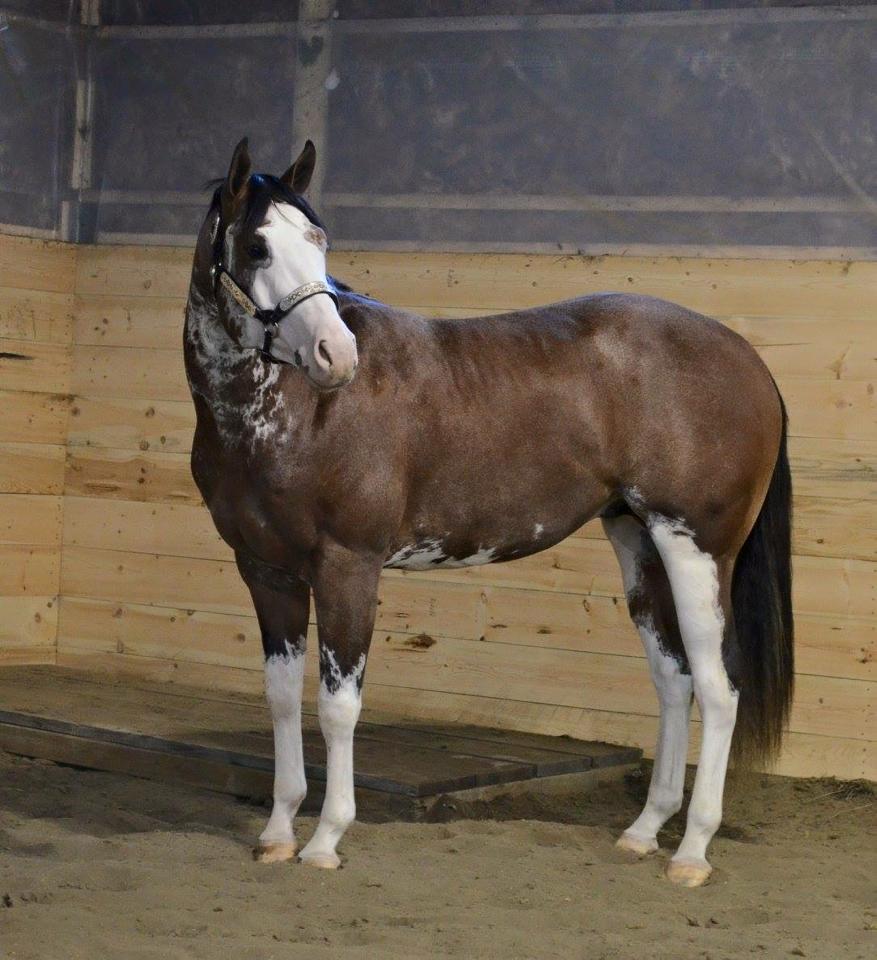
01 · Before the weather turns
Make the basics easy to access.
Walk through your horse’s daily setup before the first prolonged cold or snow arrives.
- Keep clean, unfrozen water available and monitor intake when temperatures drop.
- Check that shelter, blankets if used, feeders, and gates are safe, dry, and working as intended.
- Plan how you will provide forage and observe your horse when turnout or daylight is limited.
- Review body condition, dental history, and the current ration with your veterinary team when needed.
02 · Through the season
Keep watching for small changes.
Pay attention to appetite, water intake, manure, breathing, weight, and movement. Ice, deep snow, and frozen ground can change how willingly a horse moves and where they choose to stand.
Check under blankets regularly if your horse wears one, and allow time for a safe warm-up and cool-down when exercising in cold weather.
- A drop in drinking, appetite, or manure production.
- Coughing, nasal discharge, increased effort, or a change in breathing.
- Weight loss, stiffness, slipping, or reluctance to move on winter footing.
03 · The next step
Every horse is different. Your veterinarian can help interpret changes in context and decide what care is appropriate.