

Lameness is a change in the way a horse moves, and it can have more than one possible source.
A horse may look uneven because of discomfort in a limb, hoof, joint, muscle, tendon, back, or another part of the body involved in movement. The change can be subtle—a shorter stride, reluctance to turn, or a difference in balance—or more obvious when your horse is walking or trotting.
The pattern and timing of the change matter. Note when you first saw it, whether it is present at rest or only during work, and whether it changes with footing, direction, or exercise. You do not need to identify the cause before contacting your veterinarian.
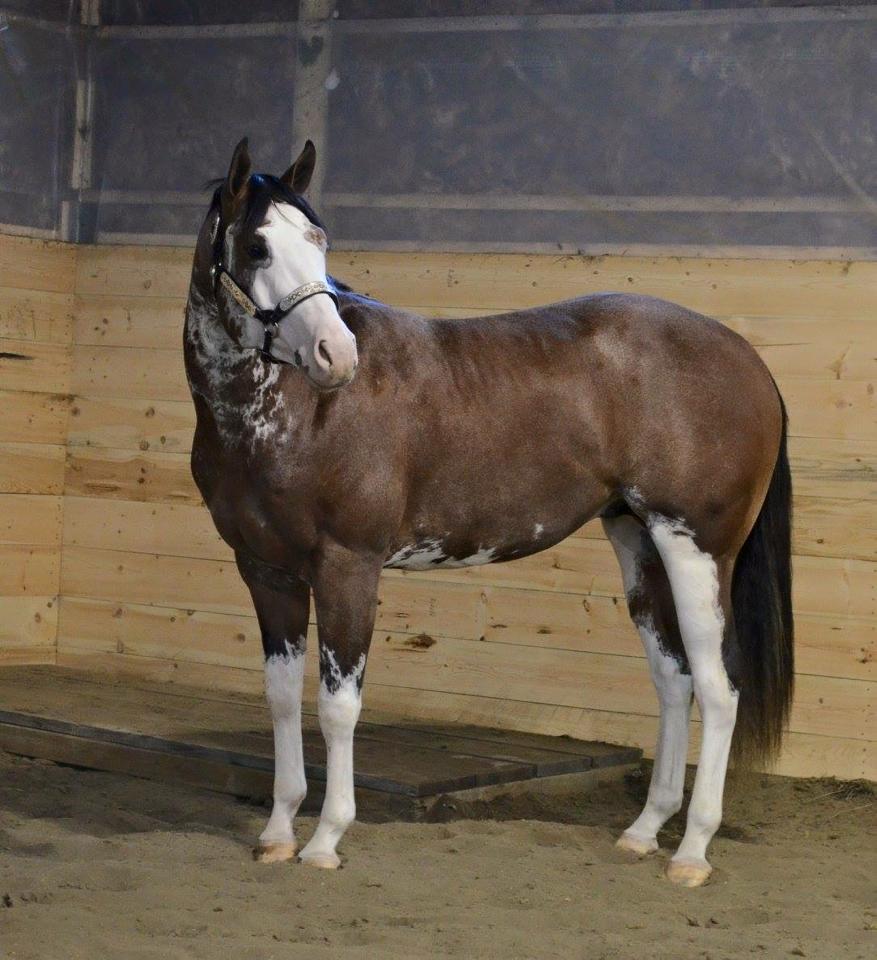
01 · What may be involved
Look beyond the visible step.
Lameness can arise from different structures, and a careful examination is needed to understand where discomfort may be coming from.
- Hoof problems, including bruising, abscesses, cracks, sole pain, or changes after trimming or shoeing.
- Joint pain or inflammation that may show up as shortened steps, stiffness, or reluctance to turn.
- Muscle, tendon, or ligament strain following work, a slip, a change in footing, or an injury.
- Pain higher in the limb, pelvis, or back that can affect balance, impulsion, or willingness to move.
- A change that is most noticeable on one surface, in one direction, or after exercise.
02 · Before the examination
Make the pattern easier to describe.
Keep your horse somewhere safe and avoid asking for extra work while you arrange veterinary advice. If the lameness is sudden, severe, or your horse is not bearing weight, contact the practice promptly rather than testing the movement further.
If it is safe to observe, note whether the change is visible at rest, in hand, or during normal activity. A short video can be useful, but do not put yourself or your horse at risk to record one.
- When you first noticed the change and whether it is improving, stable, or worsening.
- Which limb or movement seems different, and whether the change is clearer on a circle or particular surface.
- Recent trimming, shoeing, exercise, turnout, travel, footing changes, or possible knocks.
- Any heat, swelling, wound, hoof changes, fever, or other change in comfort or behaviour.
03 · The next step
Every horse is different. Your veterinarian can help interpret changes in context and decide what care is appropriate.